God's Bounty

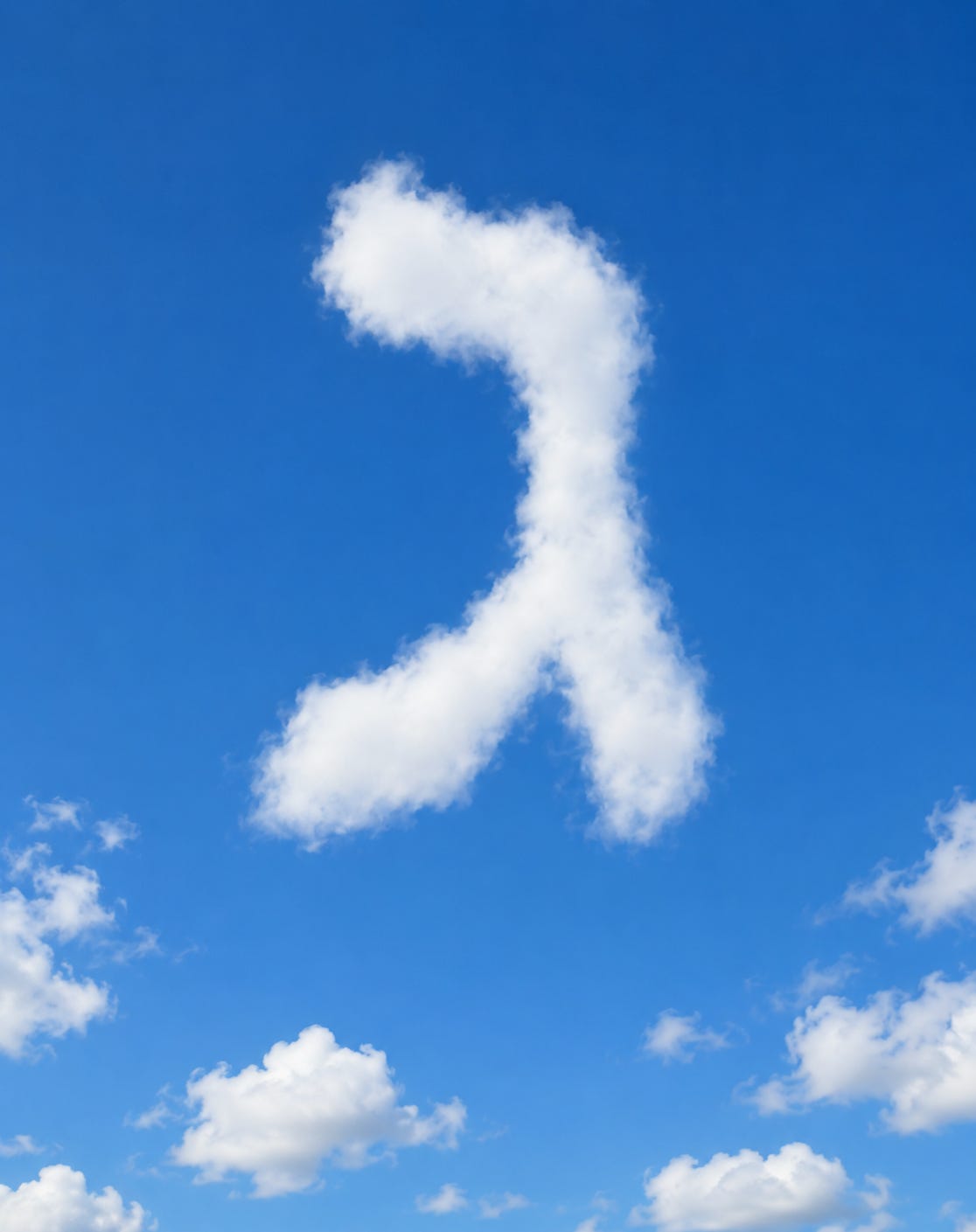
In the book of Acts, one elder of the Sanhedrin, alone among his peers, displays unabashed loyalty and trust in the providential hand of God (cf 5:34 & 22:3). His name is Gamaliel (גמליאל), which can roughly be rendered to “God is the one who weans/deals bountifully for me”. The root גמל (gimel-mem-dalet) is indicative of several functions in scripture. As a verb, it typically shows up in the faʿal (simple active) with rare occurrences in the nifaʿl (simple passive) form. It’s function as a verb follows three foci:
Deal fully or adequately with/ bestow.
Wean (as in mammals and livestock).
Ripen (as in crops/vegetation).
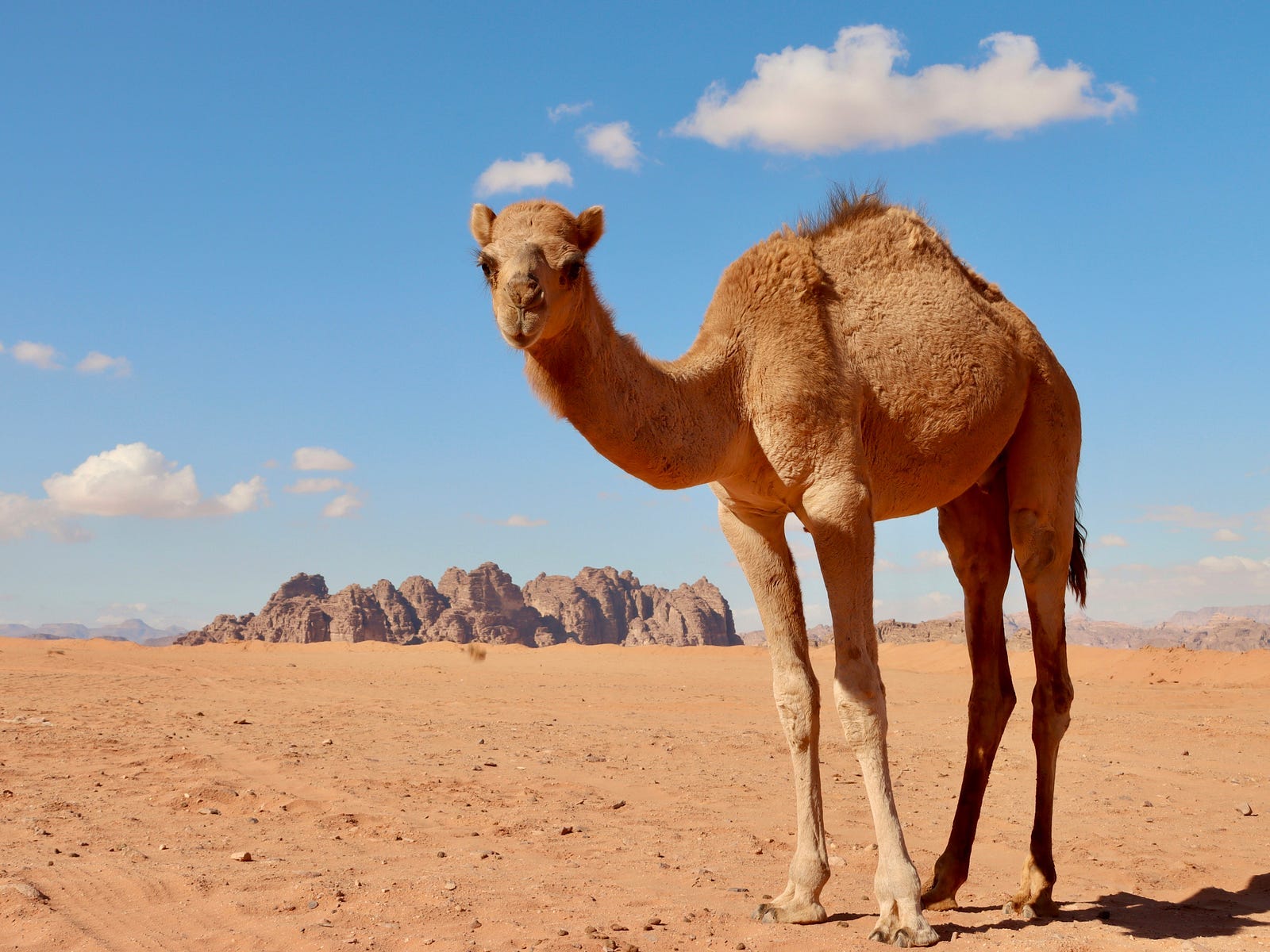
The consonantal sequence גמל also appears as the noun גָּמָל (“camel”), the desert animal associated with carrying burdens and endurance in arid climates. This is likewise true in Arabic, جَمَل (jamal), namely for a male. The Phoenicians, heirs to the Northwest Semitic writing tradition, named the third letter of their alphabet 𐤂 (gimel), traditionally associated with the camel. English camel comes through Latin camelus and Greek κάμηλος (kamēlos), ultimately from a Semitic source cognate with Hebrew גָּמָל. Hebrew inherited this alphabetic tradition and preserves the letter ג (gimel), whose modern form developed under Aramaic influence. Arabic likewise preserves the cognate letter as ج (jīm), whose script descends through the Nabataean branch of Aramaic; Syriac preserves the related form ܓ (gāmal).
For the bedouins in the Syro-Arabian desert, camels held the same necessity as the bison in North America. In both locals, the animals were God’s way of providing for the nomads (עברי ‘crossers’). The camel provided milk, meat, travel, and carried the provisions necessary for the shepherds to survive in the arid environment. Like the bison in North America, no part of the animal was left to waste, reflected by the Torahic command to consume every bit of the sacrificial offering, and to burn completely what is left over (Exodus 12:8–10, 29:31–34; Leviticus 7:15–18, 10:12–20, 19:5–8). As my colleagues in the New Al-Andalus School, Fr. Marc Boulos and Matt Cooper, have demonstrated, the Abrahamic scrolls highlight the nomadic life over city live. Nomadic life, to channel Boulos’ recent articles, pronounces the wazan (divine measuring) of God’s provision rather than binyanim (the building) of the things that men construct.
That being said, it is interesting that the camel is listed as an unclean animal in the Torah.
אַ֤ךְ אֶת־זֶה֙ לֹ֣א תֹֽאכְל֔וּ מִֽמַּעֲלֵי֙ הַגֵּרָ֔ה וּמִמַּפְרִיסֵ֖י הַפַּרְסָ֑ה אֶֽת־הַ֠גָּמָל כִּֽי־מַעֲלֵ֨ה גֵרָ֜ה ה֗וּאוּפַרְסָה֙ אֵינֶ֣נּוּ מַפְרִ֔יס טָמֵ֥א ה֖וּא לָכֶֽם
Nevertheless these you shall not eat among those that chew the cud or those that have cloven hooves: the camel, because it chews the cud but does not have cloven hooves, is unclean to you. (Lev 11:4)
Also,
אַ֣ךְ אֶת־זֶ֞ה לֹ֤א תֹֽאכְלוּ֙ מִמַּֽעֲלֵ֣י הַגֵּרָ֔ה וּמִמַּפְרִיסֵ֥י הַפַּרְסָ֖ה הַשְּׁסוּעָ֑ה אֶֽת־הַ֠גָּמָל וְאֶת־הָאַרְנֶ֨בֶת וְאֶת־הַשָּׁפָ֜ן כִּֽי־מַעֲלֵ֧ה גֵרָ֣ה הֵ֗מָּה וּפַרְסָה֙ לֹ֣א הִפְרִ֔יסוּ טְמֵאִ֥ים הֵ֖ם לָכֶֽם
Nevertheless, of those that chew the cud or have cloven hooves, you shall not eat, such as these: the camel, the hare, and the rock hyrax; for they chew the cud but do not have cloven hooves; they are unclean for you. (Deut 14:7)
Because the bounty is God’s, it is in his discretion in how an animal like the camel shall be used. The camel being textually linked with God’s bounty gives the impression that the camel is حَرَام (ḥarām) because of this fact.
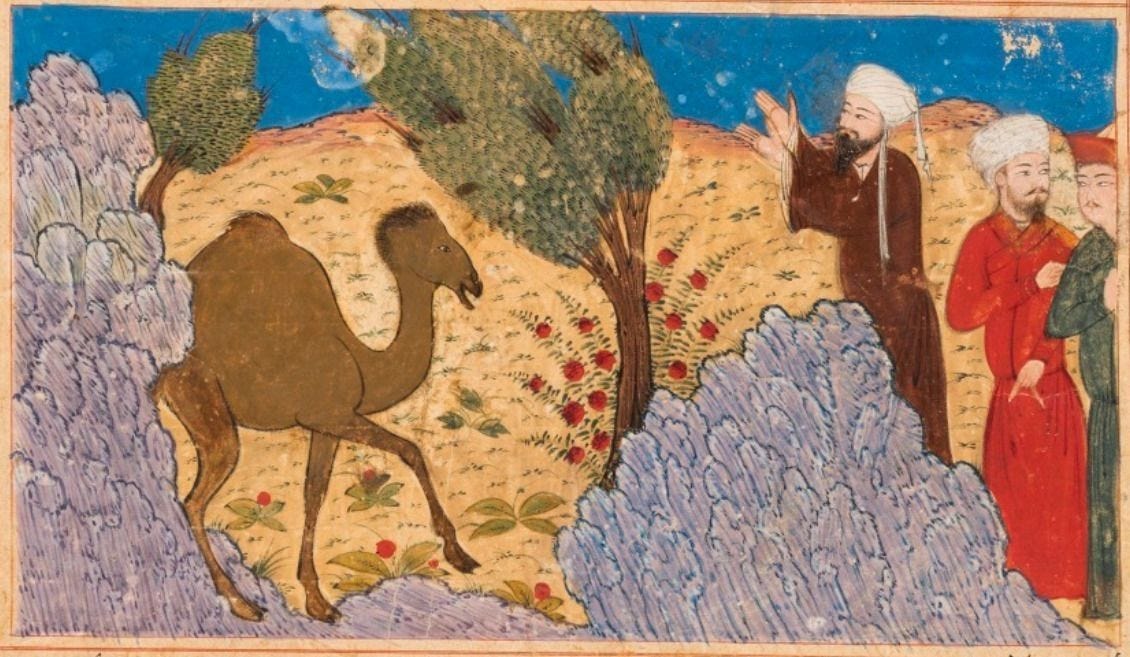
This is reflected in the Qurʾanic example of the “she-camel”. The word employed here is not from جمل, but is نَاقَةُ (nāqatun) from the root nun waw qof (ن و ق). Even though the lexical item is different, it is understood that نَاقَةُ refers to a specifically female camel, and thus is useful for this present study. In Surah 7 (al aʿrāf) of the Qurʾan, the she-camel is represented as a noble animal abused by those who refuse to harken to the prophetic warning of Ṣaliḥ. God’s command to Thamud not to harm her, but to allow her to graze freely, reflects the Torahic command to not use the camel for food. Just like the children of Israel, the people of Thamud transgress the command.
وَإِلَىٰ ثَمُودَ أَخَاهُمْ صَـٰلِحًا قَالَ يَـٰقَوْمِ ٱعْبُدُوا۟ ٱللَّـهَ مَا لَكُم مِّنْ إِلَـٰهٍ غَيْرُهُۥ قَدْ جَآءَتْكُم بَيِّنَةٌ مِّن رَّبِّكُمْ هَـٰذِهِۦ نَاقَةُ ٱللَّـهِ لَكُمْ ءَايَةً فَذَرُوهَا تَأْكُلْ فِىٓ أَرْضِ ٱللَّـهِ وَلَا تَمَسُّوهَا بِسُوٓءٍ فَيَأْخُذَكُمْ عَذَابٌ أَلِيمٌ
And to Thamūd, their brother Ṣaliḥ. He said: “O my people: serve God; you have no god but He; there has come to you clear evidence from your Lord: this is the she-camel of God, as a proof for you, so leave her to eat in God’s earth, and touch her not with evil lest there take you a painful punishment. (7:73)
Listen to the pericope closely. The she-camel is presented by Ṣaliḥ (which means ‘righteous’ in Arabic), as a sign (ayat) of Ṣaliḥ’s preaching. She is to eat freely from what God has provided on the earth, and not be abused by the city builders. As a response, the people of Thamud hamstrung the camel.
فَعَقَرُوا۟ ٱلنَّاقَةَ وَعَتَوْا۟ عَنْ أَمْرِ رَبِّهِمْ وَقَالُوا۟ يَـٰصَـٰلِحُ ٱئْتِنَا بِمَا تَعِدُنَآ إِن كُنتَ مِنَ ٱلْمُرْسَلِينَ
And they hamstrung the she-camel; and they scorned the command of their Lord, saying: “O Ṣaliḥ: bring us what you promised us, if you be among the emissaries.” (7:77)
Being city-builders in the region of Hegra (Northwestern Arabia), the people of Thamud rejected the boundary set by God and abused it.
Likewise, Gamaliel stands alone in a gathering of temple builders, bent against the preaching of the apostles because of their hatred for the Holy Spirit, outside of their institutional control. From his own words:
εἰ δὲ ἐκ θεοῦ ἐστιν οὐ δύνασθε καταλῦσαι αὐτὸ, μήποτε καὶ θεομάχοι εὑρεθῆτε
But if it is of God, you cannot overthrow it — lest you even be found to fight against God. (Acts 5:39)
It is no wonder why Paul, later in the book of Acts, recalls his education at the feet of Gamaliel.
Ἐγώ μὲν εἰμι ἀνὴρ Ἰουδαῖος γεγεννημένος ἐν Ταρσῷ τῆς Κιλικίας ἀνατεθραμμένος δὲ ἐν τῇ πόλει ταύτῃ παρὰ τοὺς πόδας Γαμαλιὴλ πεπαιδευμένος κατὰ ἀκρίβειαν τοῦ πατρῴου νόμου ζηλωτὴς ὑπάρχων τοῦ θεοῦ καθὼς πάντες ὑμεῖς ἐστε σήμερον·
I am indeed a Jew, born in Tarsus of Cilicia, but brought up in this city at the feet of Gamaliel, taught according to the strictness of our fathers’ law, and was zealous toward God as you all are today. (Acts 22:3)
In this sense, the camel is a test to see whether Thamud or the Israelites can respect to statutes God sets. The camel is the litmus test. No wonder that Jesus uses the metaphor of the camel in his discussion of the rich:
εὐκοπώτερόν ἐστιν κάμηλον διὰ τῆς τρυμαλιᾶς τῆς ῥαφίδος εἰσελθεῖν ἢ πλούσιον εἰς τὴν βασιλείαν τοῦ θεοῦ εἰσελθεῖν οἱ δὲ περισσῶς ἐξεπλήσσοντο λέγοντες πρὸς ἑαυτούς Καὶ τίς δύναται σωθῆναι ἐμβλέψας δὲ αὐτοῖς ὁ Ἰησοῦς λέγει Παρὰ ἀνθρώποις ἀδύνατον ἀλλ᾽ οὐ παρὰ τῷ θεῷ· πάντα γὰρ δυνατὰ ἐστίν παρὰ τῷ θεῷ
“It is easier for a camel to go through the eye of a needle than for a rich man to enter the kingdom of God.” And they were greatly astonished, saying among themselves, “Who then can be saved?” But Jesus looked at them and said, “With men it is impossible, but not with God; for with God all things are possible.” (Mk 10:25–27)
I added the rest of the verses because the text insinuates that even God could perform this impossible task, because the provision (גמל) is God’s. The Qurʾan reflects this saying from the Synoptic Gospels, earlier in Surah 7:
إِنَّ ٱلَّذِينَ كَذَّبُوا۟ بِـَٔايَـٰتِنَا وَٱسْتَكْبَرُوا۟ عَنْهَا لَا تُفَتَّحُ لَهُمْ أَبْوَٰبُ ٱلسَّمَآءِ وَلَا يَدْخُلُونَ ٱلْجَنَّةَ حَتَّىٰ يَلِجَ ٱلْجَمَلُ فِى سَمِّ ٱلْخِيَاطِ وَكَذَٰلِكَ نَجْزِى ٱلْمُجْرِمِينَ
Those that cry lies to Our signs and wax proud against them the gates of heaven shall not be opened to them, nor shall they enter Paradise until the camel passes through the eye of the needle. Even so We recompense the sinners. (7:40)