
Thoughts on July 4th and Ashura of Muḥarram

I’m late to the game on both the American holiday and the Islamic one, but as the Apostle Paul wrote in his letter to the Colossians:
Μὴ οὖν τις ὑμᾶς κρινέτω ἐν βρώσει ἢ ἐν πόσει, ἢ ἐν μέρει ἑορτῆς ἢ νουμηνίας ἢ σαββάτων
Therefore, do not let anyone judge you over food and drink, or regarding feast or new moon or sabbath. — Col. 2:16
What Paul is warning against is the mechanism that the urban elite (or in French, the Bourgeoisie) uses to weaponize the verses/signs of God (’ayatullah) to exert control over the poor in their midst, and most especially the nomads who would usually pay them no heed. That mechanism is why Deuteronomy 17 necessitates that the king among the Israelites must have a written copy (mišneh tōrah/ devteronomion) of the book of the Torah that functions as a sword of Damocles over his head. The king is never the one in charge. It is the text and the unseen God who is projected by it.
But the king turned out to be an abuser. This is the warning communicated to Israel via the preaching of the prophet Samuel, whose powerful name evokes his prophetic message. It comes from šemu’el, which means “his name is God”! This is the content of his message to the foolish Israelites who demand that one of their own lead them indefinitely. They want to enslave themselves to a powerful human being who effectively owns them. The Semitic root that is imperfectly rendered to “king” in English comes from mem-lamed-kaf. The basic function of this root is of “ownership” and “propriety”.
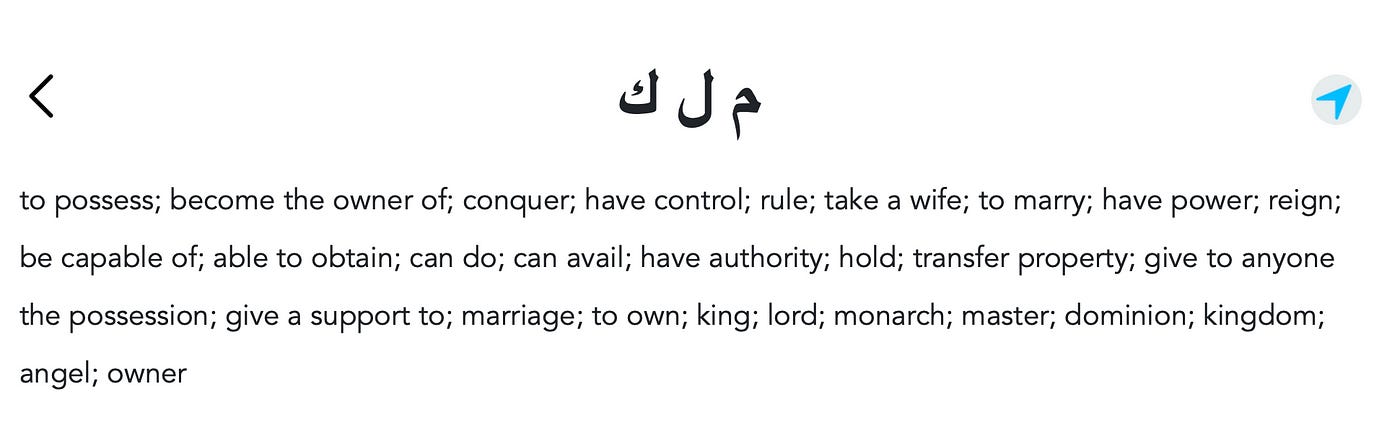
During the High Middle Ages, multiple Muslim caliphates militarized a class of backwater Turks who they called mamluks, which literally means “one who is owned" from the root m-l-k. This ended up backfiring on the various Arab dynasties because those militarized Turks would eventually seize power over the Muslim world, first with the Seljuk Empire and the Ottomans who followed them through Osman I (b. 1254–d.1323). This was the first unification of the Muslim world under one political banner. And it was run by Turks, whose pastoral origins in the Caucasus initially made them vulnerable to imperial abuse — abuse that backfired and ended up completely reshaping Muslim politics forever.
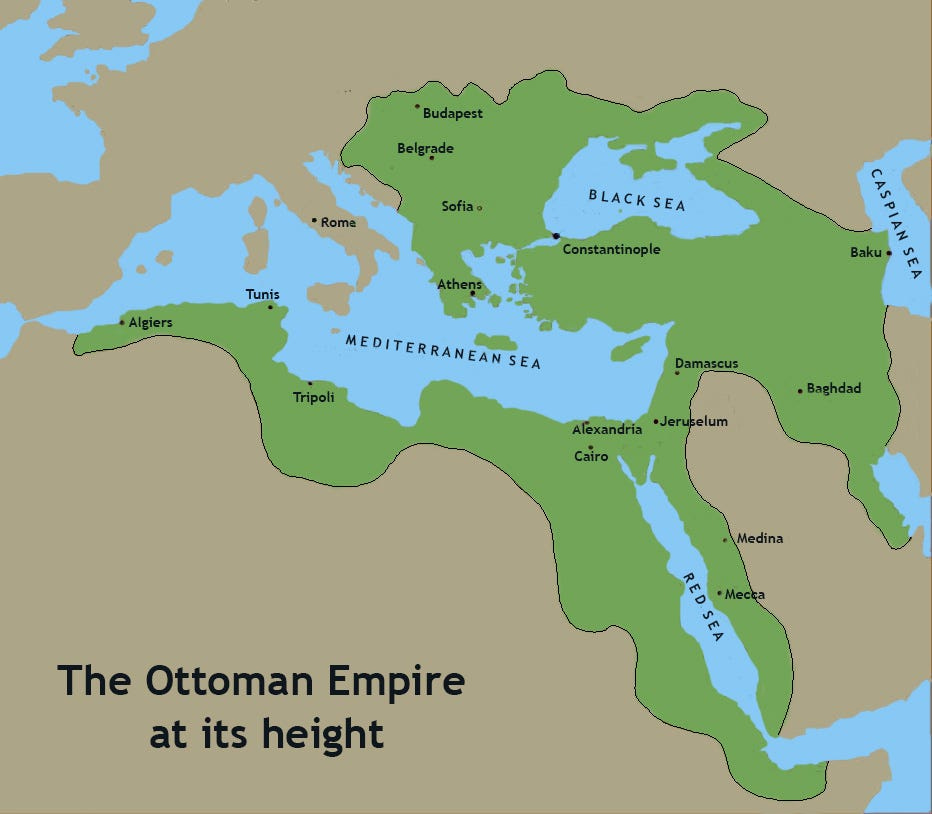
As true Muslims, taking the Shahada seriously, they knew that neither the Fatimids, Abbasids, Safavids, or Buyids were the ultimate authority. Authority rested in God, and God is the champion of the subjugated.
لَّيْسَ ٱلْبِرَّ أَن تُوَلُّوا۟ وُجُوهَكُمْ قِبَلَ ٱلْمَشْرِقِ وَٱلْمَغْرِبِ وَلَـٰكِنَّ ٱلْبِرَّ مَنْ ءَامَنَ بِٱللَّـهِ وَٱلْيَوْمِ ٱلْـَٔاخِرِ وَٱلْمَلَـٰٓئِكَةِ وَٱلْكِتَـٰبِ وَٱلنَّبِيِّـۧنَ وَءَاتَى ٱلْمَالَ عَلَىٰ حُبِّهِۦ ذَوِى ٱلْقُرْبَىٰ وَٱلْيَتَـٰمَىٰ وَٱلْمَسَـٰكِينَ وَٱبْنَ ٱلسَّبِيلِ وَٱلسَّآئِلِينَ وَفِى ٱلرِّقَابِ وَأَقَامَ ٱلصَّلَوٰةَ وَءَاتَى ٱلزَّكَوٰةَ وَٱلْمُوفُونَ بِعَهْدِهِمْ إِذَا عَـٰهَدُوا۟ وَٱلصَّـٰبِرِينَ فِى ٱلْبَأْسَآءِ وَٱلضَّرَّآءِ وَحِينَ ٱلْبَأْسِ أُو۟لَـٰٓئِكَ ٱلَّذِينَ صَدَقُوا۟ وَأُو۟لَـٰٓئِكَ هُمُ ٱلْمُتَّقُونَ
It is not piety, that you turn your faces to the East and to the West. True piety is this: to believe in God, and the Last Day, the angels, the Book, and the Prophets, to give of one’s substance, however cherished, to kinsmen, and orphans, the needy, the traveller, beggars, and to ransom the slave, to perform the prayer, to pay the alms. And they who fulfil their covenant when they have engaged in a covenant, and endure with fortitude misfortune, hardship and peril, these are they who are true in their faith, these are the truly godfearing. — Q. 2:177
This is a tension at the heart of nascent Islam, where the companions of the Prophet Muḥammad reneged against the message of unity he preached, and began persecuting the ahl bayt in Mesopotamia (the cradle of the scriptural tradition).
According to both Sunni and Shia sources, Muḥammad declared on the Day of Ghadir (Arabic, pool) that anyone who considers him (Muḥammad) his Mawla (patron/ leader), ‘Ali ibn Abi Ṭalib is also his Mawla.
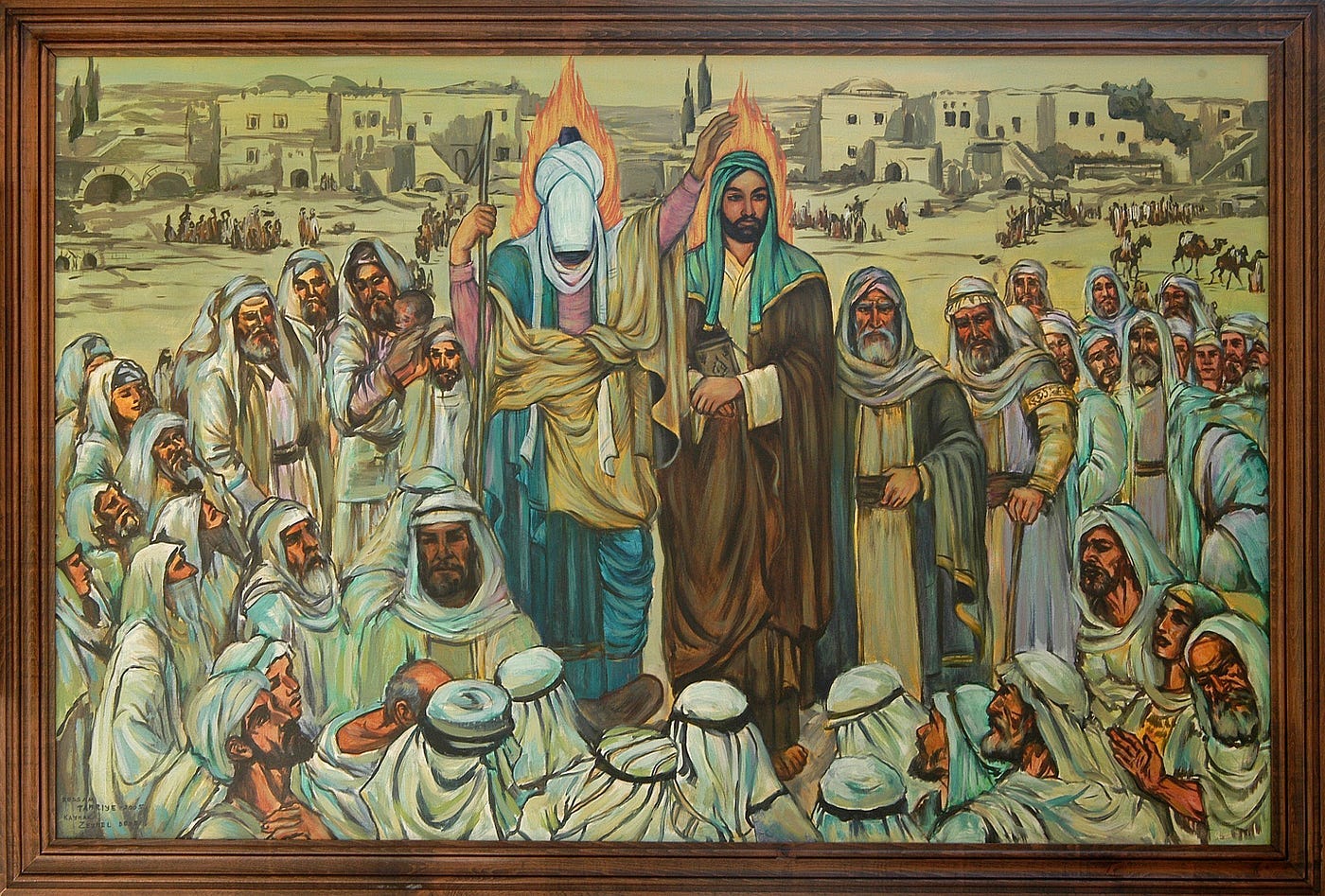
In other words, ‘Ali is set up to be the patron of Muḥammad’s family in the event of his death. The keyword here is وَلِىٍّ walī, which comes from the root wāw-lām-yā.
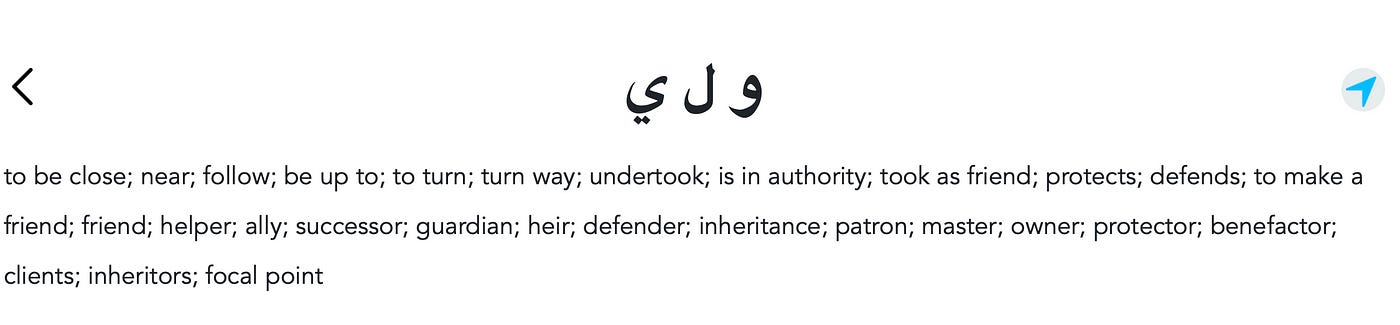
The BDB (Brown-Driver-Briggs) makes a tentative, but admittedly not confident, connection with the Hebrew root lamed-waw-he. This root as a verb, לָוָה lawah means to be “near” or “attached” and is incorporated into the name of the character Lewi (or Levi), who is the father of the priestly class among the Israelites.
וַתַּ֣הַר עֹוד֮ וַתֵּ֣לֶד בֵּן֒ וַתֹּ֗אמֶר עַתָּ֤ה הַפַּ֙עַם֙ יִלָּוֶ֤ה אִישִׁי֙ אֵלַ֔י כִּֽי־יָלַ֥דְתִּי לֹ֖ו שְׁלֹשָׁ֣ה בָנִ֑ים עַל־כֵּ֥ן קָרָֽא־שְׁמֹ֖ו לֵוִֽי
And she again bore and gave birth to a son, and she said ‘now at last my husband will be joined (yilaweh)to me because I have born to him three sons’. For this reason, she called his name Lewi. — Gen. 29:3
While this connection is uncertain, the possibility of the link between ‘Ali as the patron of the ahl bayt and the Torahic priesthood is fascinating. The chief role of the Levite priest was to be a guardian of the criterion (al-furqan) and to uphold the debarim of the scriptural God. It’s not a position that seeks political power. If it were done like that in such a fashion, it would be an abuse of the priestly function. This is the sin of the Hasmonean dynasty in the 2nd century BCE. ‘Ali did not seek to become a king. He sought to safeguard the words that were delivered to the Prophet. As such, he is known in Shia Islam as the premiere “Imam”, that is the representative of God’s message meant to lead the people towards remembrance of what was revealed in the Qur’an.
Some of Muḥammad’s companions, such as Abu Bakr, his wife Aisha, and later Muawiya, had different ideas. The Caliphate, which began with Abu Bakr and passed down through ‘Umar, and eventually ‘Ali himself, gradually devolved into a major political force that had completely dismantled the Persian Sassanian Empire and made a considerable dent in the Byzantine territories in Asia. They achieved the dominance that Byzantium and Persia had been fighting over for centuries. The Caliphate had control of everything from northern Africa in Egypt, the entirety of the Levant, to the Hejaz and Yemen in Arabia, up through Syria, Iraq, and into the western portions of Iran.
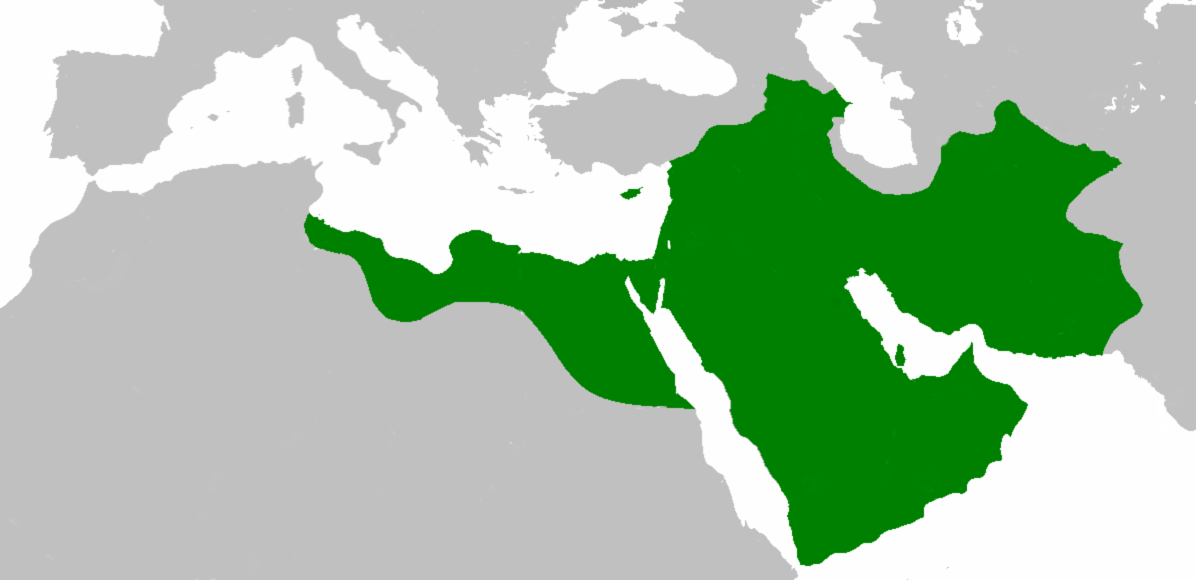
During ‘Ali’s political leadership, he found himself embroiled in a destructive civil war with the Prophet’s wife Aisha. This war ended with the assassination of ‘Ali in Kufa, Iraq, leading to the rise of Muawiya and the establishment of the Umayyad Caliphate, solidifying the political dominance of the companions (sahaba).
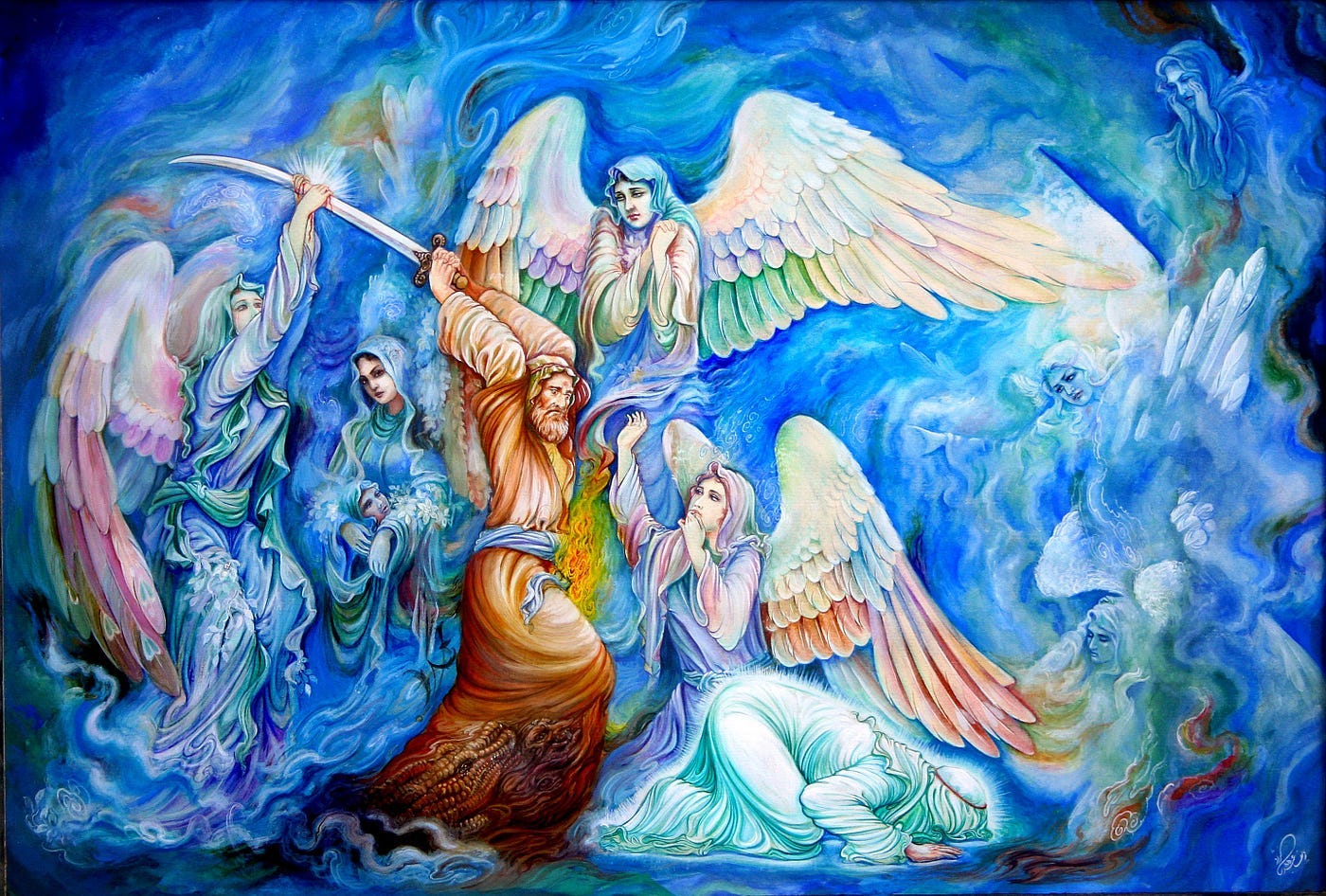
What resulted was a systematic betrayal and persecution against the ahl bayt, especially when they refused to bend the knee to Umayyad domination. The direct lineage of the Prophet had continued through his daughter Fatima, who ended up marrying ‘Ali and bore him two sons — Ḥasan and Ḥussein (which means “little Ḥasan” in Arabic). Both sons would be assassinated, with Ḥasan being poisoned after he made a peace treaty with Muawiya on the condition that the Caliph ruled according to the Qur’an. Ḥussein was martyred after being targeted by Muawiya’s successor, Yazid in the battle of Karbala in Mesopotamia on the tenth (‘ashura) of Muḥarram, the Islamic new year.
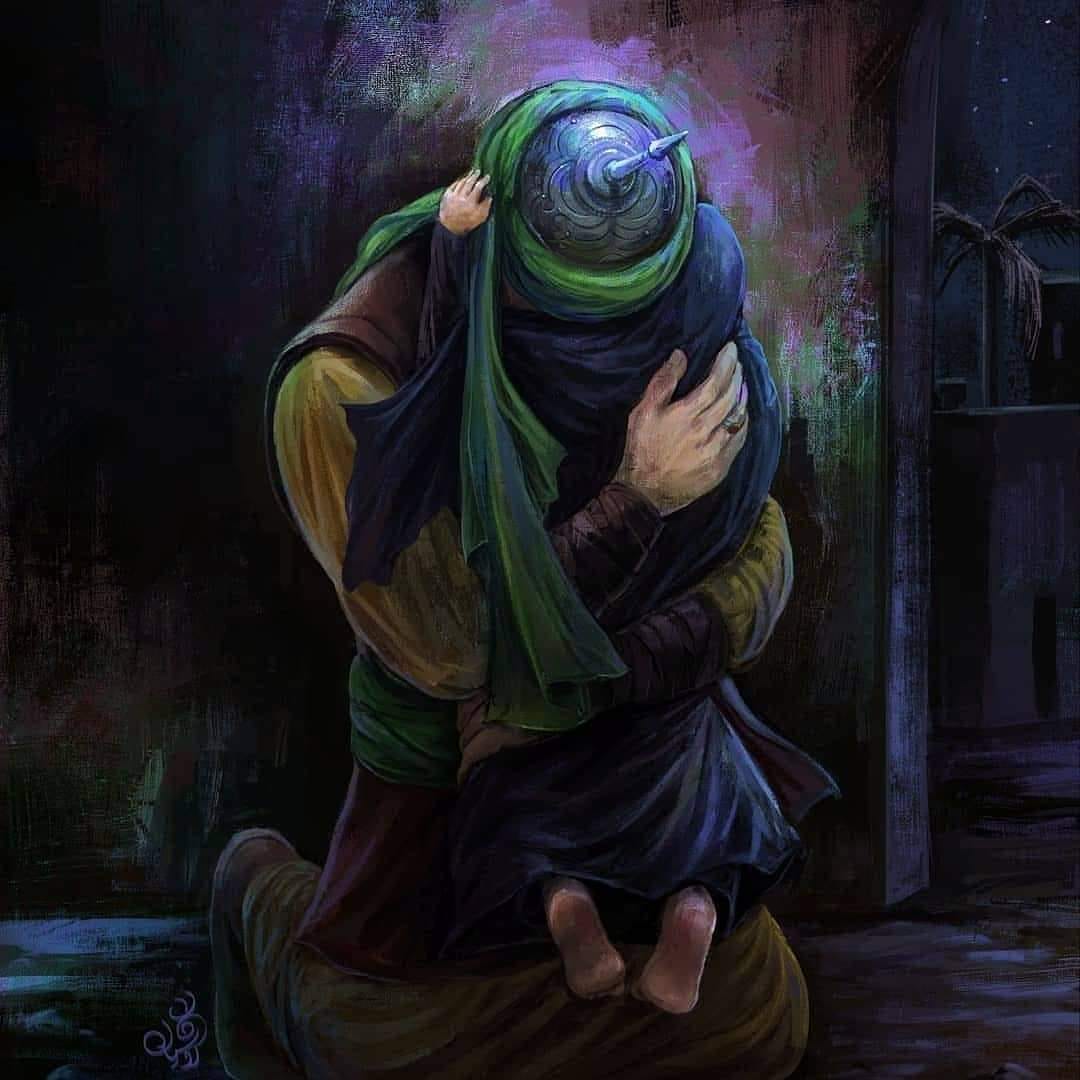
Sakina, Ḥussein’s daughter, and many of the women and children of the ahl bayt were subsequently captured by Yazid’s forces and were taken as prisoners to Kufa and then Damascus. They suffered humiliation and hardship.
Powerfully, “Sakina” comes from the same root as the needy poor in the Qur’an.
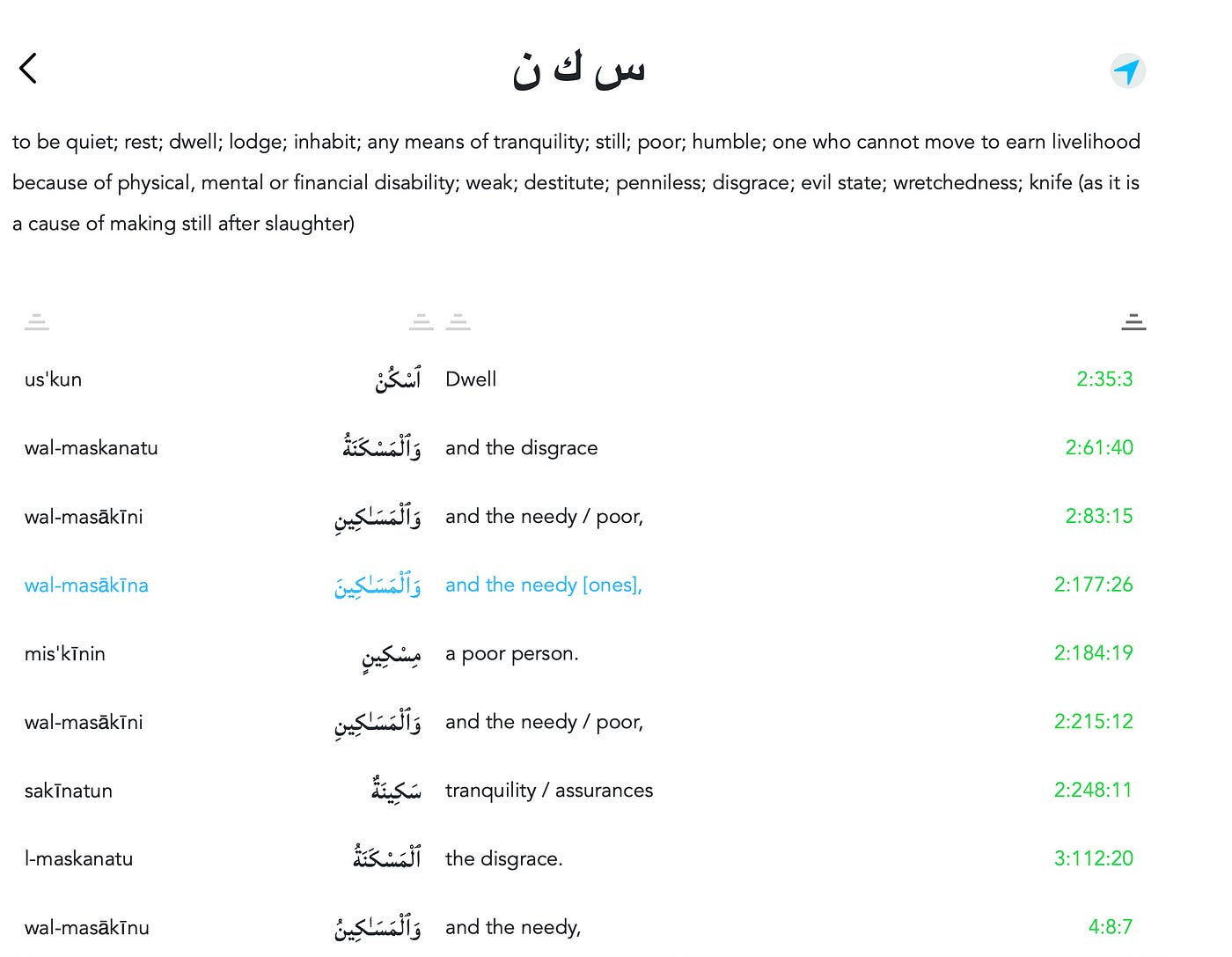
It is also the same root used in the Bible, often referring to God’s presence (šekinah) in the Tent of Witness (’ohel mo‘ed), but also refers simply to one’s neighbor (šeken). Your neighbor is the needy poor. The needy poor have no worldly advocate. Their only advocate is God, independent of the world, but its judge nonetheless.
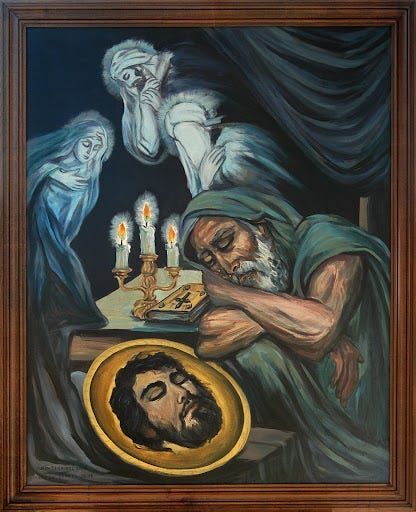
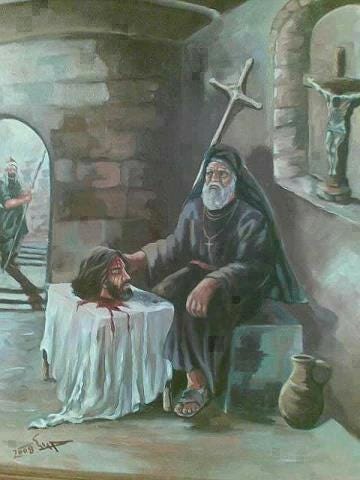
After the battle of Karbala, Ḥussein was beheaded, and his body was abused post mortem. The only one who showed the head of Ḥussein reverence was a Syrian Christian monk, who could sense that the head belonged to a holy man.
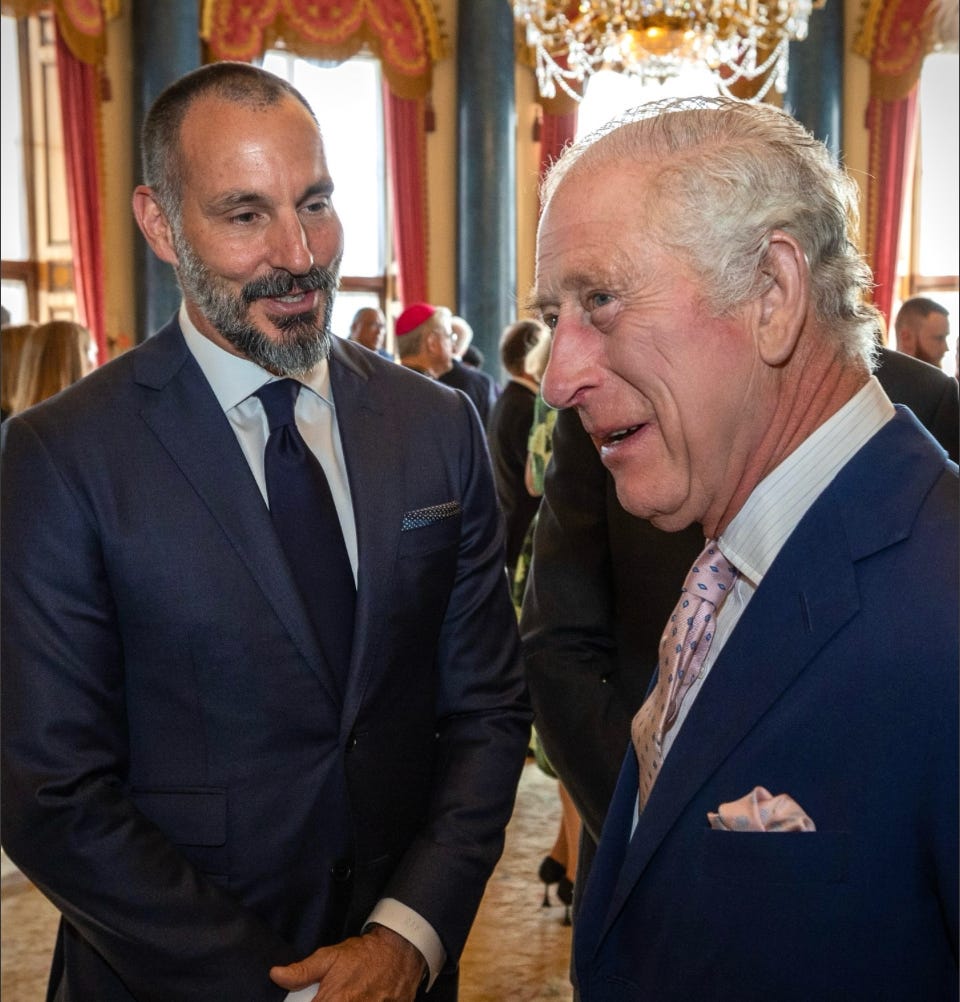
The story of the two civil wars in nascent Islam was one of power consolidating itself to wield religion and ideology over the poor, i.e., the masakini. The Shia Imamate is emphatically not one of political power. That being said, some in this tradition definitely have sought that type of power. There are the modern Ismaili “Imams” who live it up in Western Europe, wear business suits, and speak English so well you’d never know it wasn’t their first language. And they are socialites, with billions of dollars in assets. It is admittedly not the first thing I think of when I imagine the fledgling ahl bayt.
Thank God for the Twelvers who have kept Shia Islam’s solidarity with the poor and the marginalized in full view. For them, there are only twelve Imams, and the twelfth (Imam al-Mahdi) is hidden from sight. That means that since the ninth century, they haven’t had a universal spiritual leader whose role could be misappropriated into that of a hereditary monarchy. This is precisely what occurred during the Ismaili Fatimid dynasty, where the Imamate became fused to a hereditary Caliphate. This was the Hasmonean dynasty of Priest-Kings all over again. There was no such issue among the Twelvers. For them, the Imamate and the rule of governance are two different things and are out of their hand. God is the one who, according to their eschatology, will establish the rule of Imam al-Mahdi at the end of time.
The Twelvers embody the mourning in the month of Muḥarram, which is not only a requiem for Imam Ḥussein, but all of God’s poor who are abused by urbanite elites.
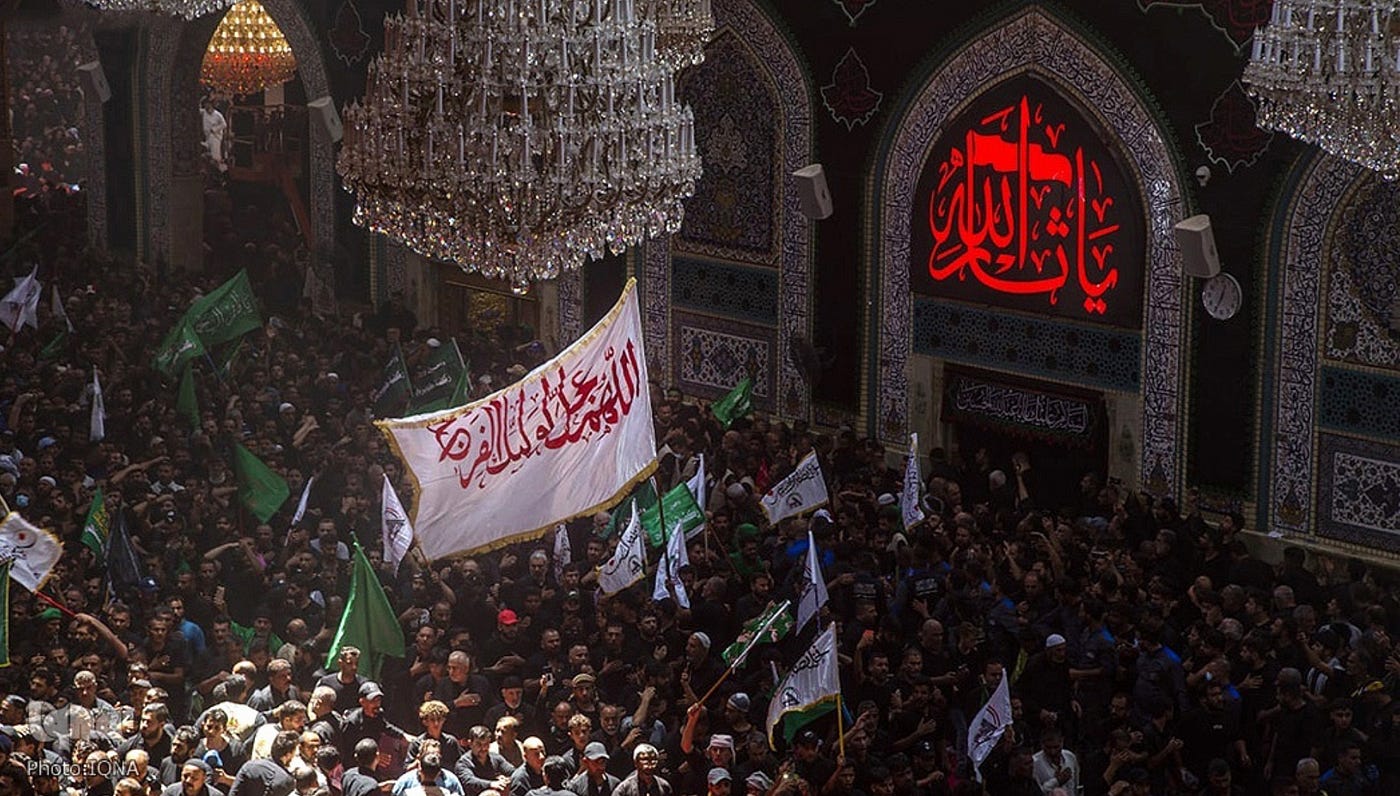
While the month of Muḥarram is one of mourning in Shia Islam, it is interestingly one of renewal in Sunni practice. Muḥarram is the Islamic New Year and, like the Paschal season in Christian tradition, mostly commemorates the rescue of the prophet Musa (Moses) and the Bani Israil(Israelites) from the slavery of the Pharaoh in Egypt. In fact, during this month it is common to recite verses from Surat Ṭā Hā (20). The whole surah is first a retelling of the first half of the book of Exodus (1–114), and second, a retelling of the fall of Adam (115–135). These are common tropes repeated throughout the Qur’an. This is especially true of the story (ḥadith) of Moses. He is by far the most widely invoked prophet in the Qur’an, appearing about 136 times and his story is told 25 times. This is contrasted with other major prophets like Abraham who only appears 69 times in the Qur’an. Moses and his story outflank everybody. He is the main personality in the Qur’an. Why is this? I think it has to do with the simplicity of the image here. Pharaoh represents, as he does in the Bible, the most powerful man in the world who God treats as a simple rag doll. Pharaoh could easily be a placeholder for any major political power. For the authors of the Old Testament, that power might be Antiochus the “God” who was emperor over the Seleucids in the 3rd century BCE. For the authors of the New, it would be the Roman and Sanhedrin authorities. And for the Qur’an, it is Byzantium. And Moses is the one who delivers the Torahic instruction that destroys the tyranny of Pharaoh and anyone like him who wields “law and order” to put the “fear of death” into their subjects.
Fr. Marc Boulos has recently been uncovering the use of the root خ ر ب (khā-rā-bā) in the Qur’an as a mechanism of ruin and desolation that brings civilizational collapse. It also calls to mind the desolate environment of the desert. The root functions alongside the triliteral ح ر ب (ḥā-rā-bā), which connotes war and destruction, and both are linked to the Hebrew חרב (ḥet-resh-bet). This root is utilized to name the mountain where Moses receives the instruction from God. It is called Ḥoreb, the place that connotes the desolation (ḥareb) of the sword (ḥereb). It is fascinating that of all of the biblical characters and stories the Qur’an highlights, the story of Moses is the one that it singles out the most. It is also interesting that, while Muḥarram is more of a jubilant celebration in Sunni circles, there is still this emphasis on God’s anti-civilizational salvific hand.
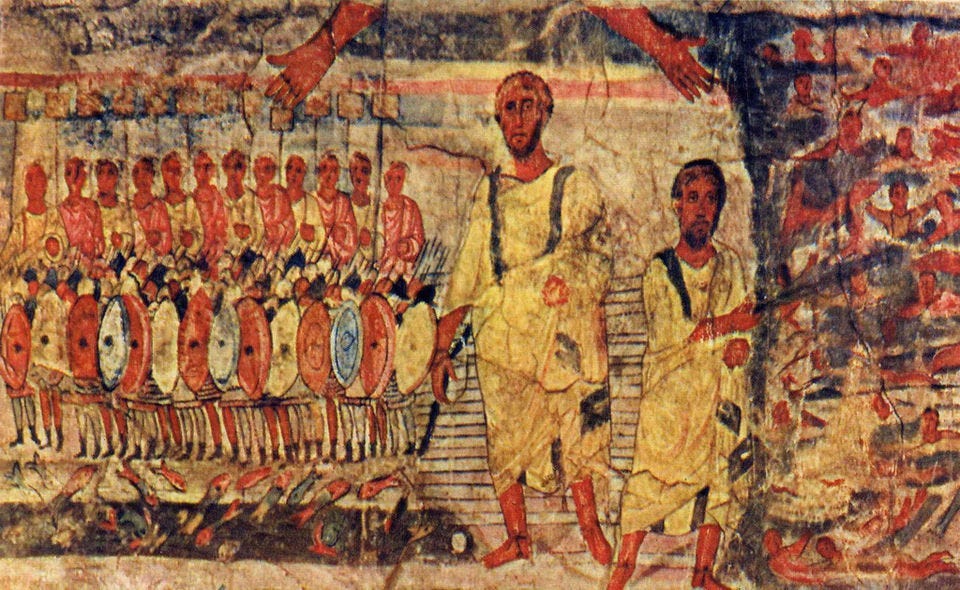
But all of this caused me to reflect on how so-called “holidays” (or literally holy-days) are often part of the mechanism of empire for the sake of control. This is why Paul was so adamant about allowing judgment on how and when people celebrate. The minute an institution legislates orthopraxy, you have a mechanism of control and slavery, which the three Abrahamic scriptures operate to dismantle. It’s no coincidence that Muḥarram is jubilent in Sunni circles, but solemn in Shia practice. The Sunnis have always dominated the political realm of the Muslim world, often subjugating their Shia brothers and sisters as a result. But even then, Sunnis have the same Qur’an as the Shias and so they can’t escape the constant refrain of Moses’ story in the Qur’an. It is just a deeper wound in the case of Imam Ḥussein. Every day is Ashura, every land is Karbala.
The tenth (Ashura) of Karbala fell on July 5th this year, just a day after the United States celebrates the Fourth of July. I saw several people online express dismay at the thought of celebrating the “secular holy-day” this year amid the presidency of Donald Trump. It is the same, misguided energy of the “No Kings Protest”. All I can say is, the United States has operated like this since its founding. It was the project of enlightenment political scientists who wanted to be free from paying taxes to Britain. So they consolidated their own rule of law, inspired by the Magna Carta, Lockian political philosophy, the Venetian Republic, and even some of John Calvin’s political philosophy. It was a system where free, land-owning men voted for representatives to create and pass laws that would be finalized by the president, who either signed or vetoed that said bill. This settlement created its own tyranny against the people who lived here, especially when the idea of “Manifest Destiny” came into full swing in the 1800s. Native American tribes were consistently pushed west, forcefully assimilated, or destroyed altogether. Everyone knows this story. And this doesn’t even touch on the systematic abuse of West African colonialism, which sparked the Trans-Atlantic Slave Trade.
A couple of years ago, I was on vacation in New Orleans during the Fourth of July. I love that city, mainly because my favorite music genre is Jazz. I have a soft spot for mavericks, and genuine Jazz musicians are the biggest mavericks of all. It is a music born out of suffering under tyranny. It is freedom music. Free from the grip of state-imposed “law and order”. It is anti-Legiō. It is very scriptural in that sense. It breaks convention and encourages free expression. That’s why Miles Davis was always agitated when white Bourgeois critics would want him to go back to his bebop days. When bebop was popular, those same critics thought it was noisy nonsense. They’re always behind the times. Like the whites who associated Jazz and Blues with the red light districts, brothels, and slums. And then it got bastardized by them when they realized they could make a buck off of it.
To me, that’s the two sides of the American experience. There are those side with the forces of control, and those who dismantle that control. The troublemakers. The mavericks. The refusal to be melted in the melting pot, like how James Baldwin refused to be melted. So Fourth of July for me is a time to remember Imam Ḥussein and throw on Coltrane’s A Love Supreme, his free psalmistry to the one and only God.